The Rise And Rise Of Amsterdam Fashion Week
Nine years of reinvention, emerging talent, via Lichting and the remarkable rise of Amsterdam Fashion Week
There was a time when the fashion world could be reduced to four cities: Paris, Milan, London and New York. Then we have had the emergence of Copenhagen Fashion Week. And now… Amsterdam Fashion Week has fashionably gatecrashed the high fashion party, not with the polished uniformity of an established fashion capital, but with something arguably more valuable: a sense of creative unpredictability.
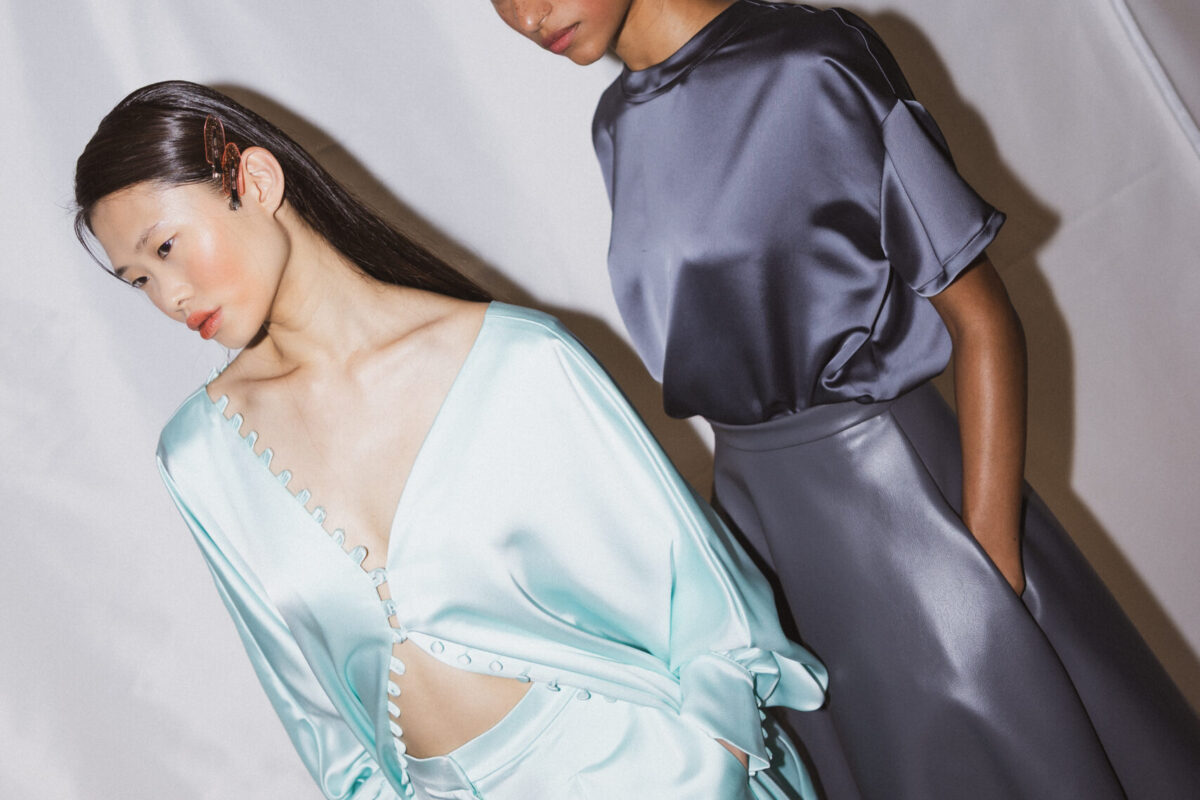
Picture by Elzo Bonam at ATELIER RESERVÉ show
Over the past nine years, Amsterdam Fashion Week has quietly transformed itself from a national industry fixture into an increasingly influential European fashion platform. Its rise has not been about trying to become another Paris or Milan. Instead, Amsterdam has built its own language—one rooted in experimentation, independence, multidisciplinary creativity and, perhaps most importantly, new talent.
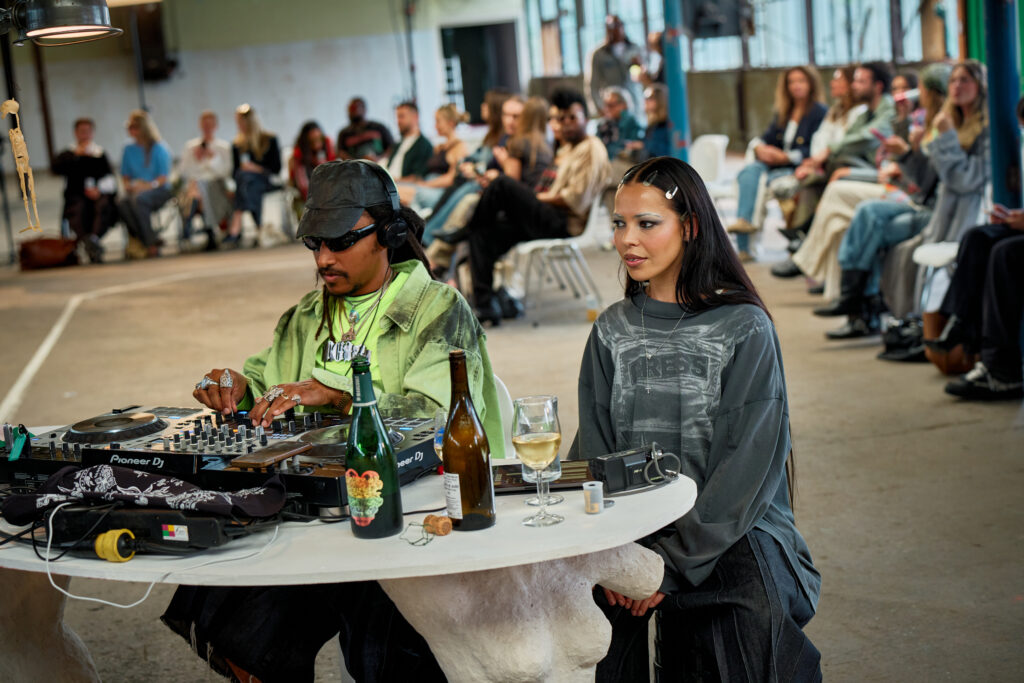
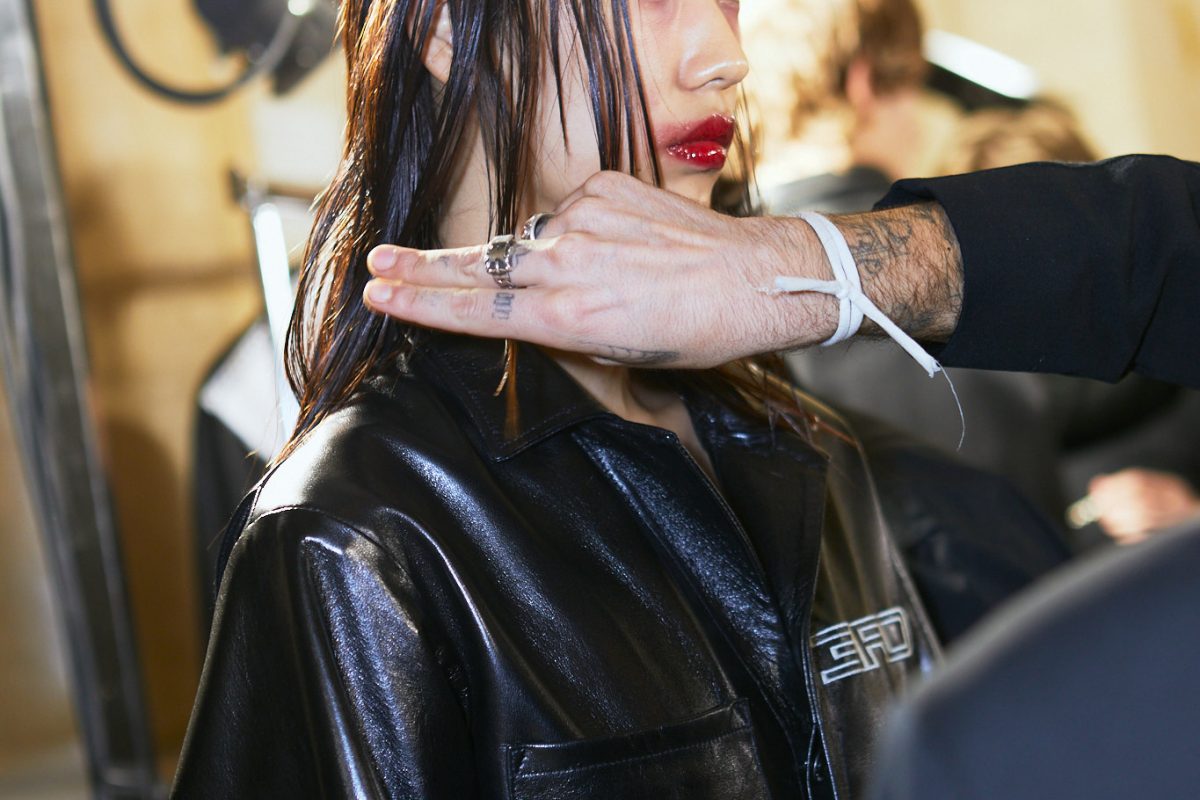
Backstage at Studio NK. Picture by Vera Bremen
The contemporary story of Amsterdam Fashion Week is one of reinvention. Following Danie Bles & Lisanne van Edmonds‘s arrival as directors in 2018, the event began moving away from the conventional idea of a fashion week being confined to one grand location. Fashion increasingly became dispersed across Amsterdam itself, finding its way into galleries, cultural spaces, hotels, retail environments and unexpected corners of the city. The result was something distinctly Dutch: fashion presented not as an isolated industry spectacle, but as part of a wider creative culture. In a city already celebrated for design, art, architecture and progressive thinking, the fashion week began to feel less like an imported format and more like a natural extension of Amsterdam’s identity.
Yet if Amsterdam Fashion Week has discovered its voice, Lichting has become one of its most compelling sentences. Founded by Mariette Hoitink in 2007, Lichting was conceived around a simple but crucial question: what happens to a fashion designer after graduation? Fashion schools produce extraordinary creative talent every year, but the distance between a graduation collection and a professional career can be enormous. Lichting was created to close that gap. By selecting outstanding graduates from Dutch fashion academies and placing them directly in front of the international fashion industry, the platform transformed the graduation show into something much more consequential—a first professional introduction.
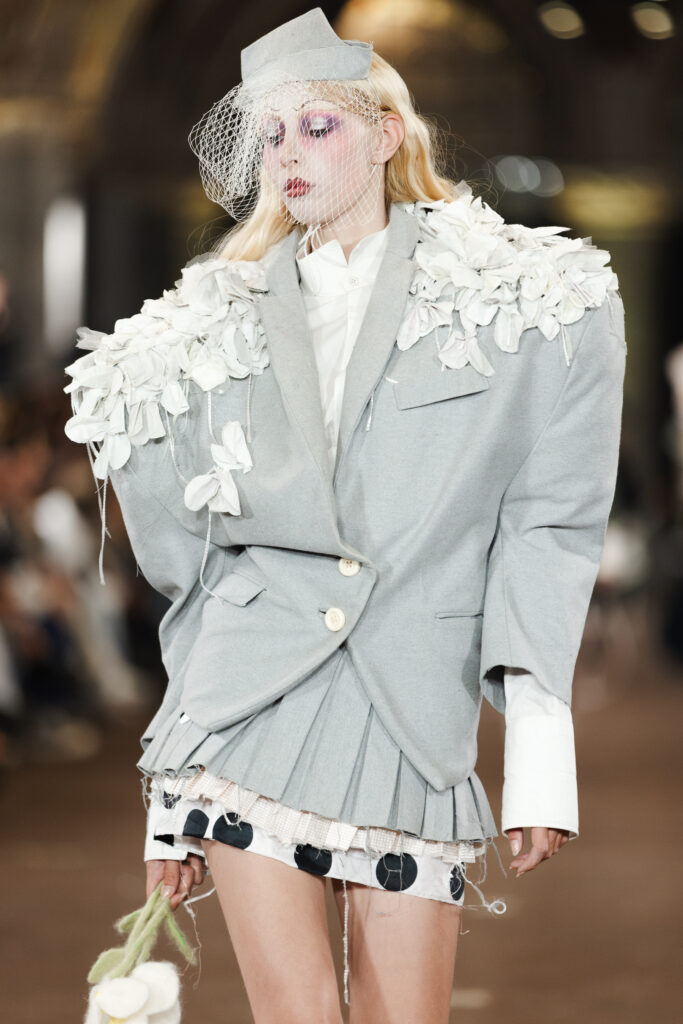
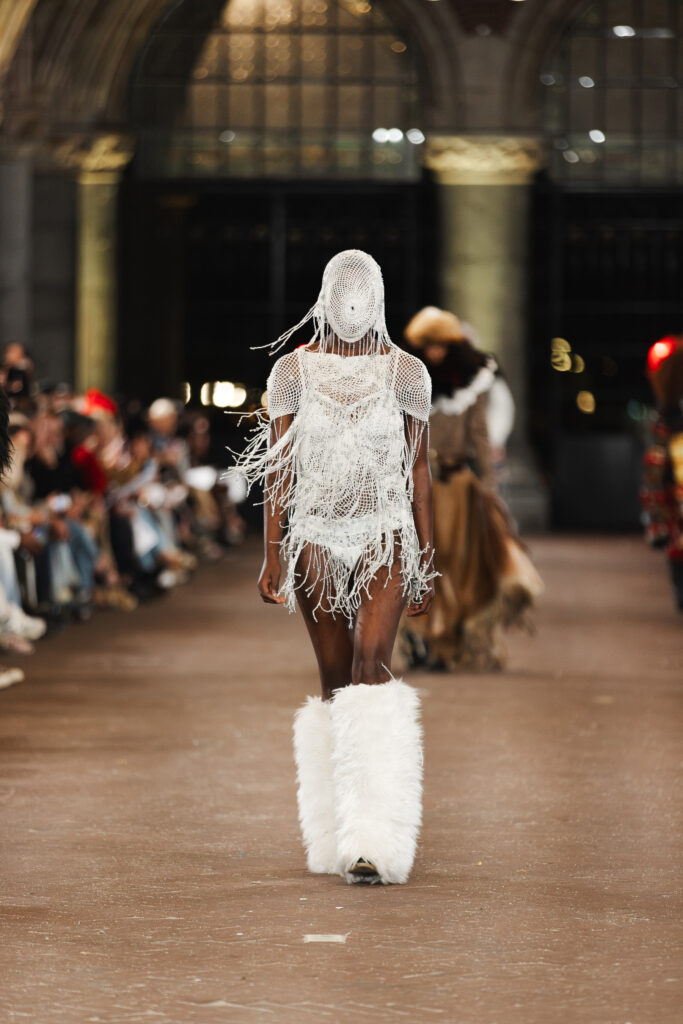
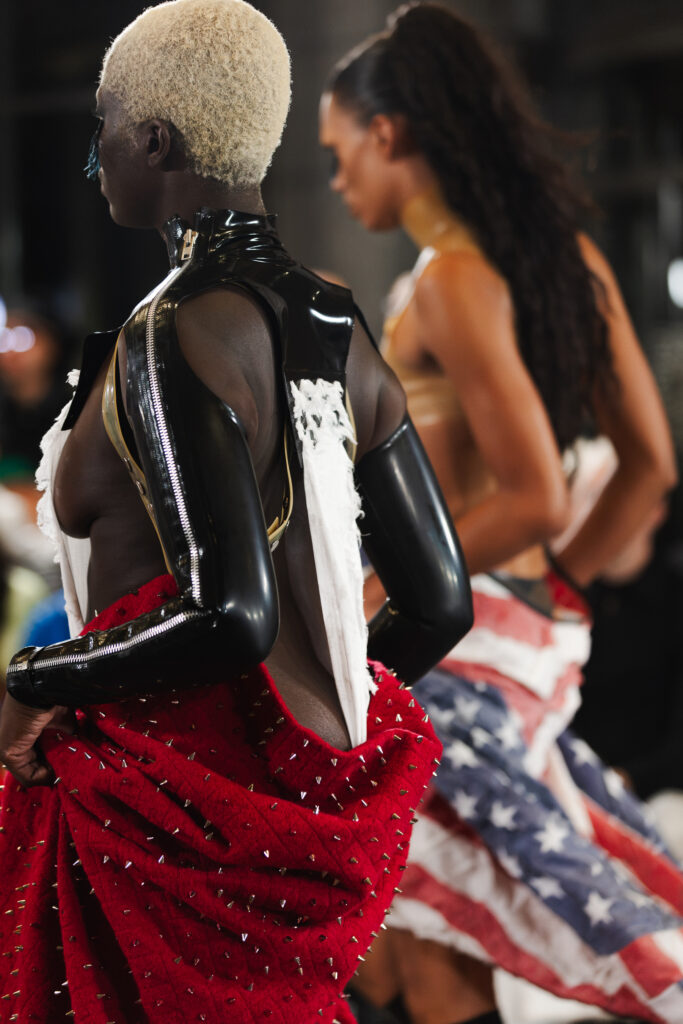
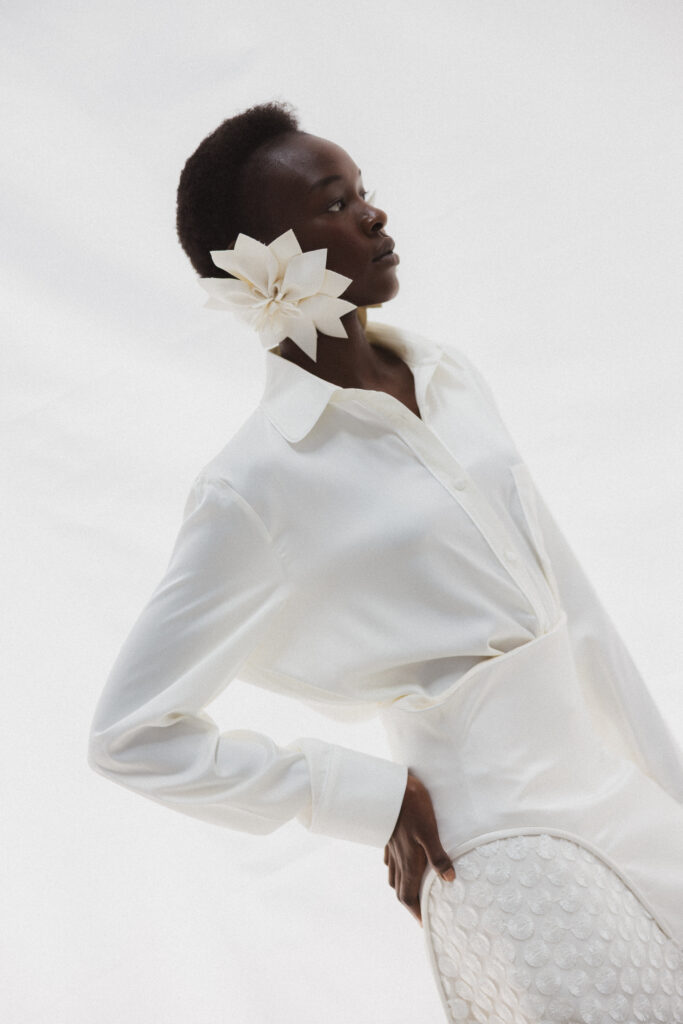
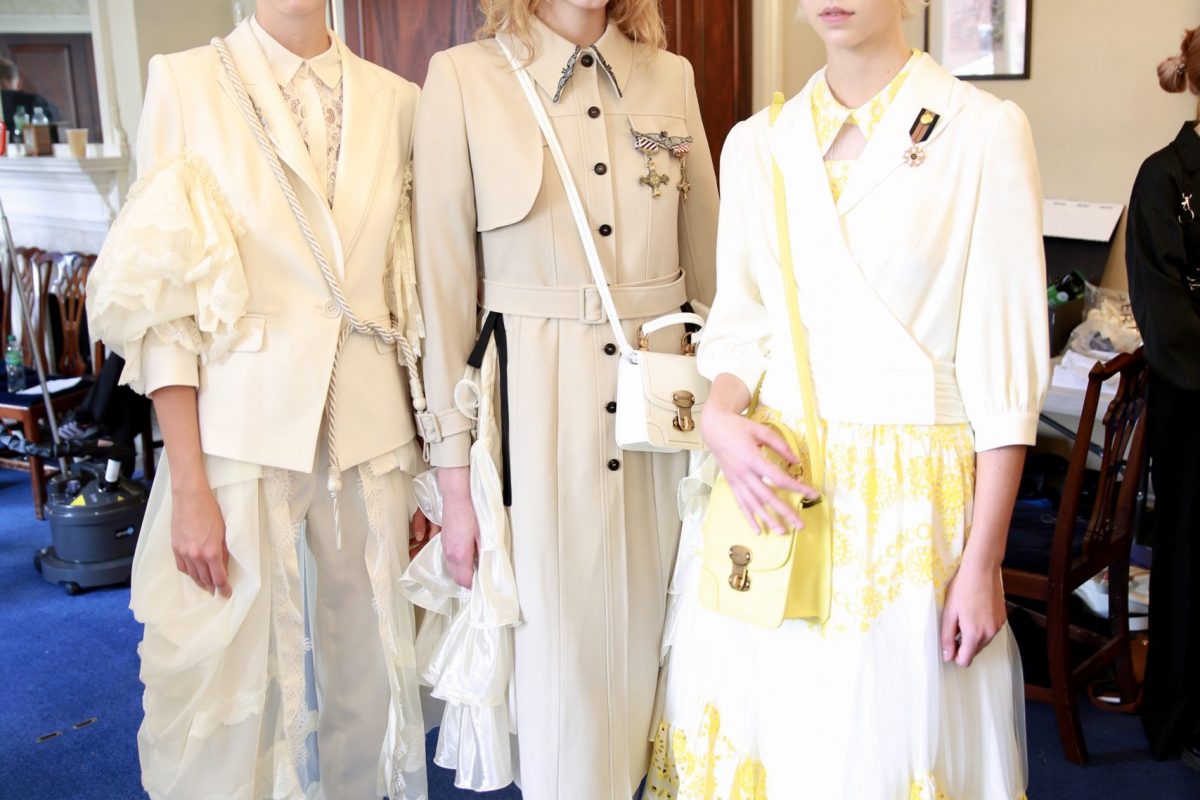
Images above by Resa Steenvoorden @ 2026 Lichting show – Passage Rikjsmuseum
Over the last nine years, that philosophy has become increasingly intertwined with Amsterdam’s fashion identity. Names such as Duran Lantink, Tess van Zalinge, Danial Aitouganov and numerous other Lichting alumni illustrate the platform’s remarkable ability to identify designers before the wider industry discovers them. Lantink is perhaps the most striking example. Once presented through the Lichting platform, his provocative approach to fashion went on to attract international attention, culminating in his appointment as Creative Director of Jean Paul Gaultier. Suddenly, the argument for investing in young Dutch fashion talent became much harder to ignore. Lichting was not simply showcasing students—it was identifying the industry’s next protagonists.
There is also something refreshingly democratic about the Lichting model. Fashion can be an industry of closed doors, inherited networks and increasingly expensive entry points. Lichting offers another route. Its open-call structure has widened the opportunity for emerging designers, while its jury places graduates in front of people whose opinions can directly affect a career: designers, buyers, editors and other industry figures. The competition therefore operates on two levels. It is a celebration of fashion education, but it is also a highly concentrated talent-scouting exercise. In an industry permanently searching for the next big idea, Lichting has effectively created a yearly appointment with the future.
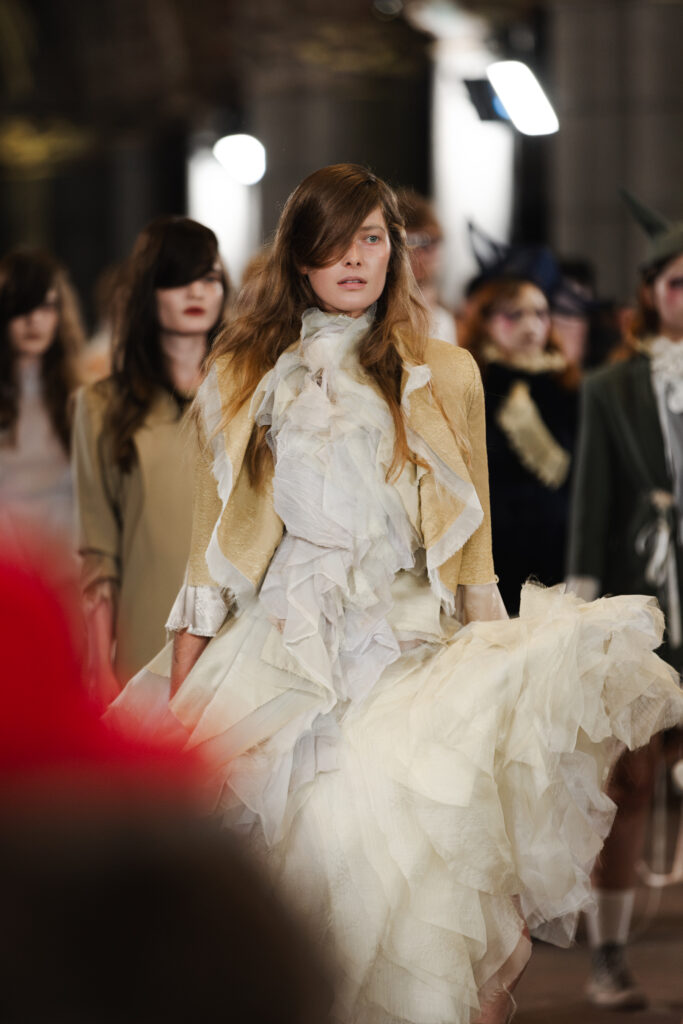
Image from closing at Lichting 2026. Picture by Resa Steenvoorden.
That future has increasingly become international. Amsterdam Fashion Week’s recent editions have demonstrated an ambition that extends beyond the Netherlands, bringing together Dutch and Belgian designers alongside established names, emerging labels, presentations, conversations and collaborations. This expansion matters because Amsterdam does not possess the centuries-old fashion infrastructure of Paris, nor London’s enormous commercial machinery. What it does possess is cultural confidence. Its designers are often willing to question what fashion is supposed to look like, how it should be produced and where it should be presented. That rebellious intelligence is becoming part of Amsterdam’s attraction.
The significance of Lichting was especially apparent in 2026, when the platform celebrated its twentieth edition. Two decades have produced a remarkable archive of Dutch fashion talent, with 258 designers having participated across the competition’s history. More importantly, the initiative has created something that cannot be manufactured through marketing alone: an alumni culture. Designers who once stood at the beginning of their careers now form part of the very history that inspires the next generation. In that sense, Lichting has become both a launchpad and an archive—a living record of where Dutch fashion has been and where it might go next.
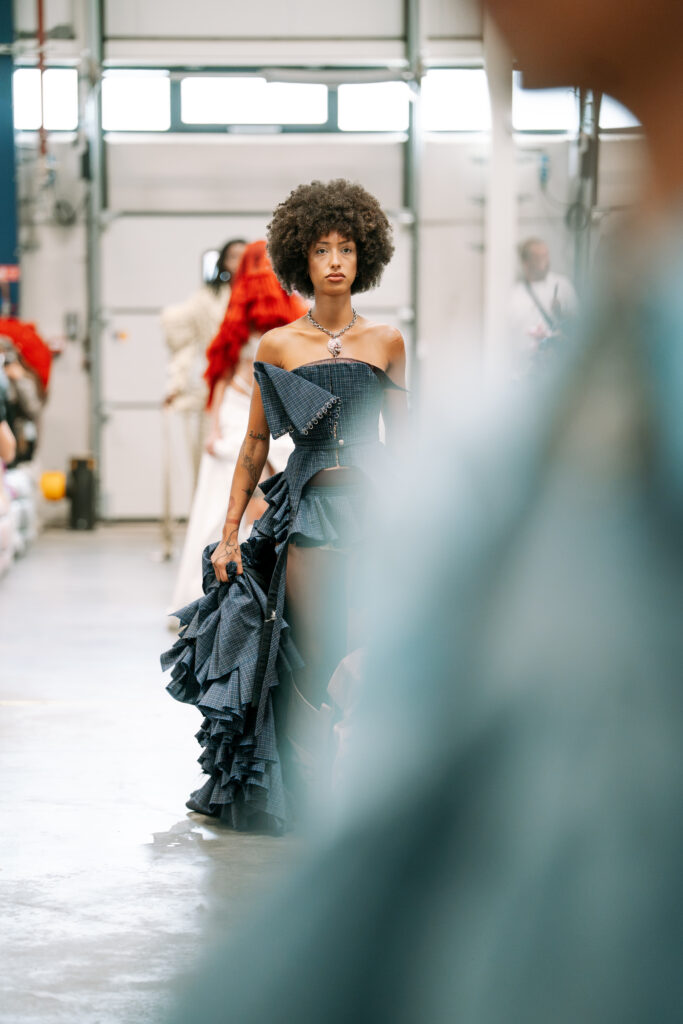
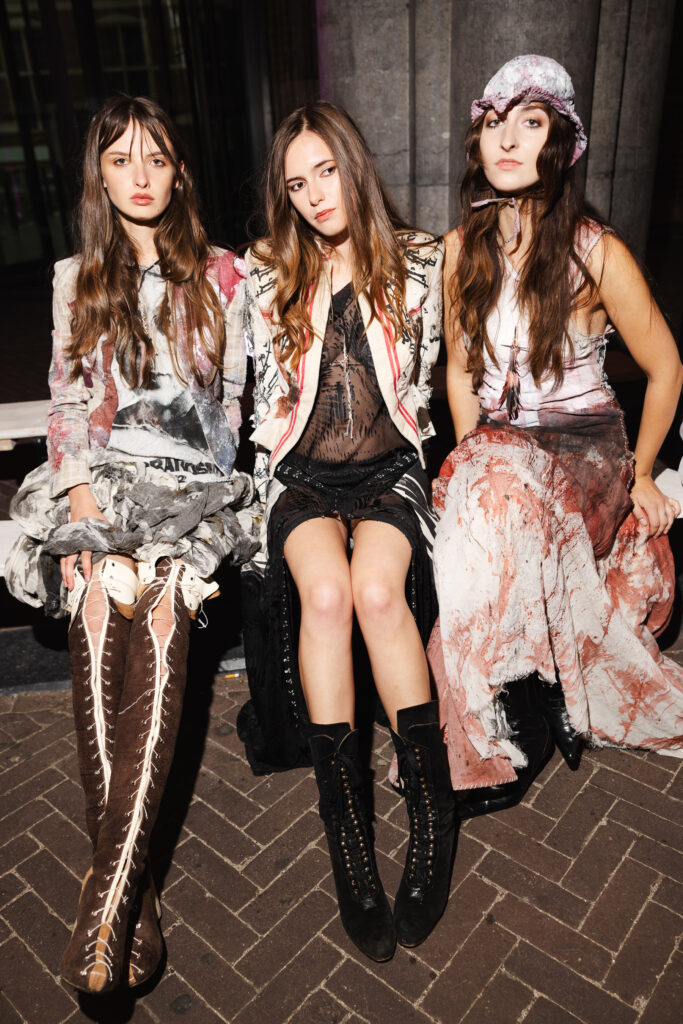
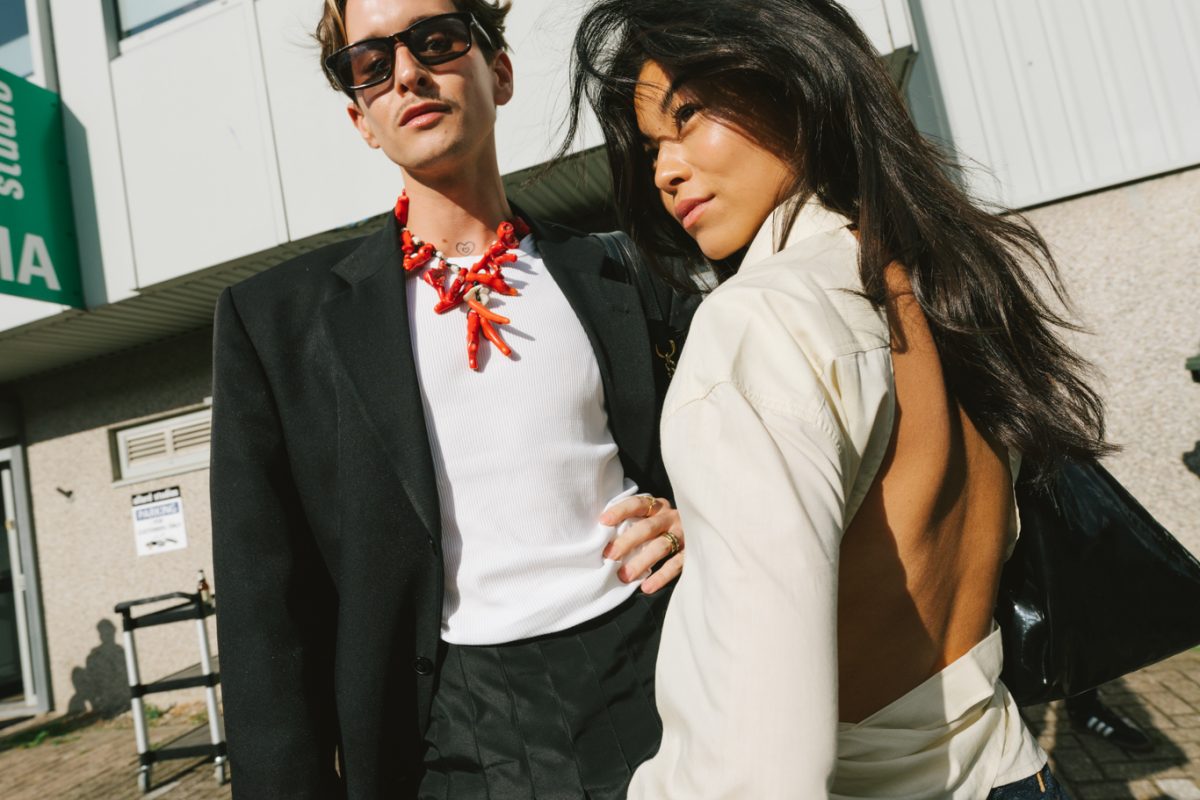
Image from Tess van Zalinge ‘the archive show’. Picture by Eva Huizing.
Perhaps that is the secret behind Amsterdam Fashion Week’s rise. It has stopped trying to prove that Amsterdam belongs among the world’s fashion capitals and instead begun demonstrating why it deserves to be considered one. Its strength lies in the ecosystem it is building around fashion, with Lichting at its centre: education feeding talent, talent feeding the industry, and the industry feeding the next generation. Nine years of reinvention have given Amsterdam something increasingly rare in contemporary fashion—a genuine sense of momentum. And if the past two decades of Lichting are any indication, the most interesting chapter of Amsterdam fashion may not be the one we have just witnessed. It may be the one about to arrive.
_ _ _
_______Words By @dr_dreps for @fashionlamourmagazine_________


No Comments Yet!
You can be first to leave a comment